Programs
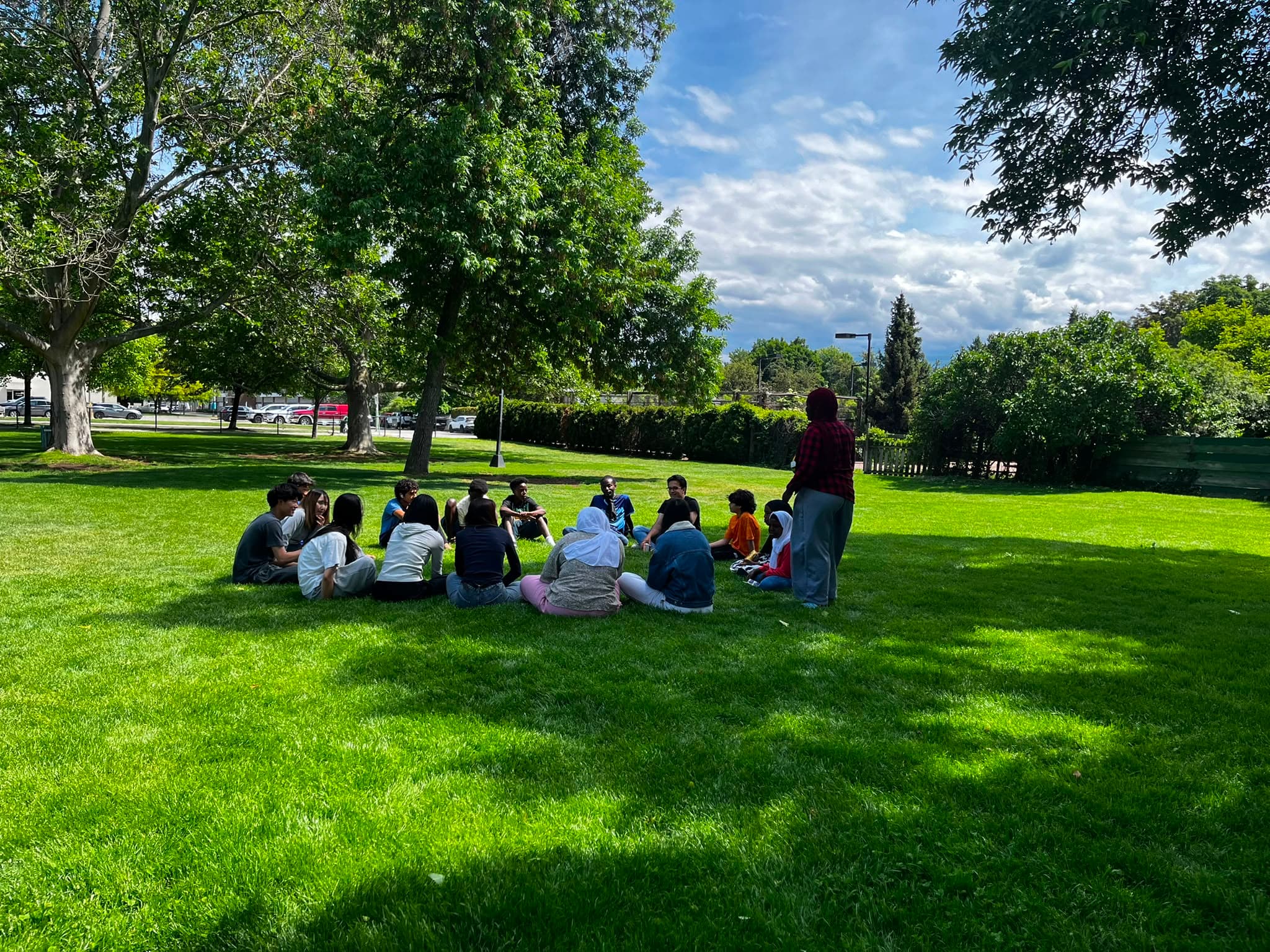
Children's Classes
“Children possess inherent attributes of creativity, joy, and a thirst for knowledge. They are mines rich in gems, and their education is of utmost importance for the future of a community.”
In neighbourhoods around the world, children come together to learn about spiritual qualities. In an open and joyful environment, children of all cultural and religious backgrounds explore how these qualities influence their own conduct and their wider society.
Classes consist of 5–10 children each, organized based on age and program grade level. Lessons are concerned with the development of children's virtues and the refinement of their characters by fostering habits that give expression to spiritual qualities such as generosity, truthfulness, and justice.
Each lesson is taught using methods proven effective worldwide
Songs
Music and rhythm bring lessons to life and help children internalize spiritual concepts joyfully.
Reflection & Discussion
Open conversations encourage children to share their thoughts and connect lessons to their own lives.
Stories
Carefully chosen stories illuminate virtues and spark children's moral imagination.
Cooperative Games
Games build teamwork, trust, and a sense of joyful community among participants.
Colouring
Creative activities allow children to express and explore the themes of each lesson at their own pace.
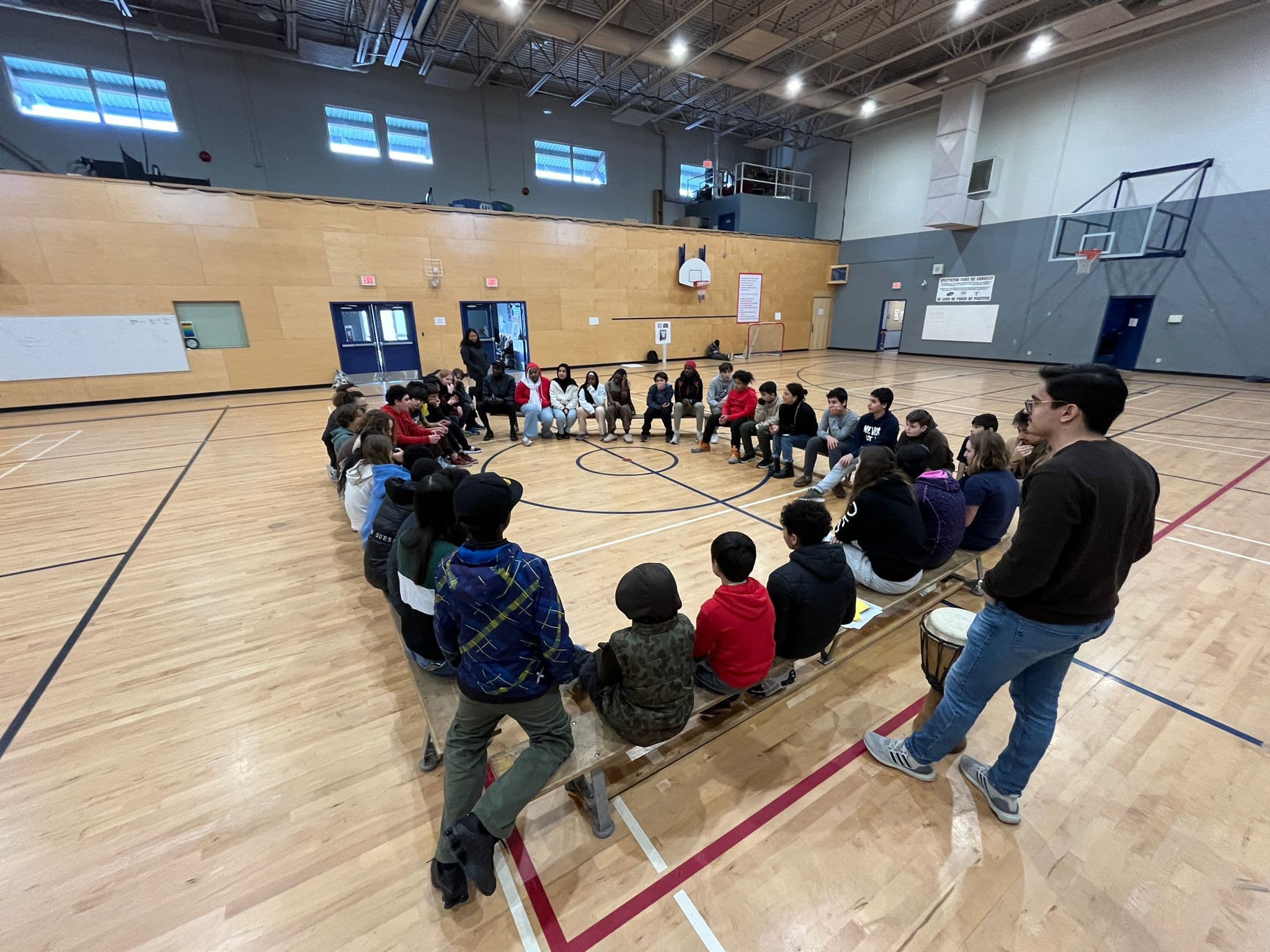
Junior Youth Empowerment Program
The Junior Youth Empowerment Program (JYEP) aims to release the potential of its participants aged 11–14 through thinking about both their own lives, and the life of their wider community.
Language Development
The curriculum consists of stories containing meaningful exercises, activities, and community projects within a participatory environment that help junior youth develop their critical thinking and their ability to express their ideas.
Academic Excellence
In addition to what they study, junior youth also receive practical support and encouragement by their youth tutors so that they can excel in their academic studies. Homework help and after school tutoring are natural extensions of the program.
Moral Decision Making
The content of the curriculum reinforces within junior youth a moral structure that will underline their decisions and guide their actions as they mature into young adults and responsible members of society.
Community Involvement
A core tenet of the program is helping junior youth develop their talents and abilities by helping the community. Junior youth often consult, plan, and execute community projects that help them develop an understanding of community issues and become agents of change.
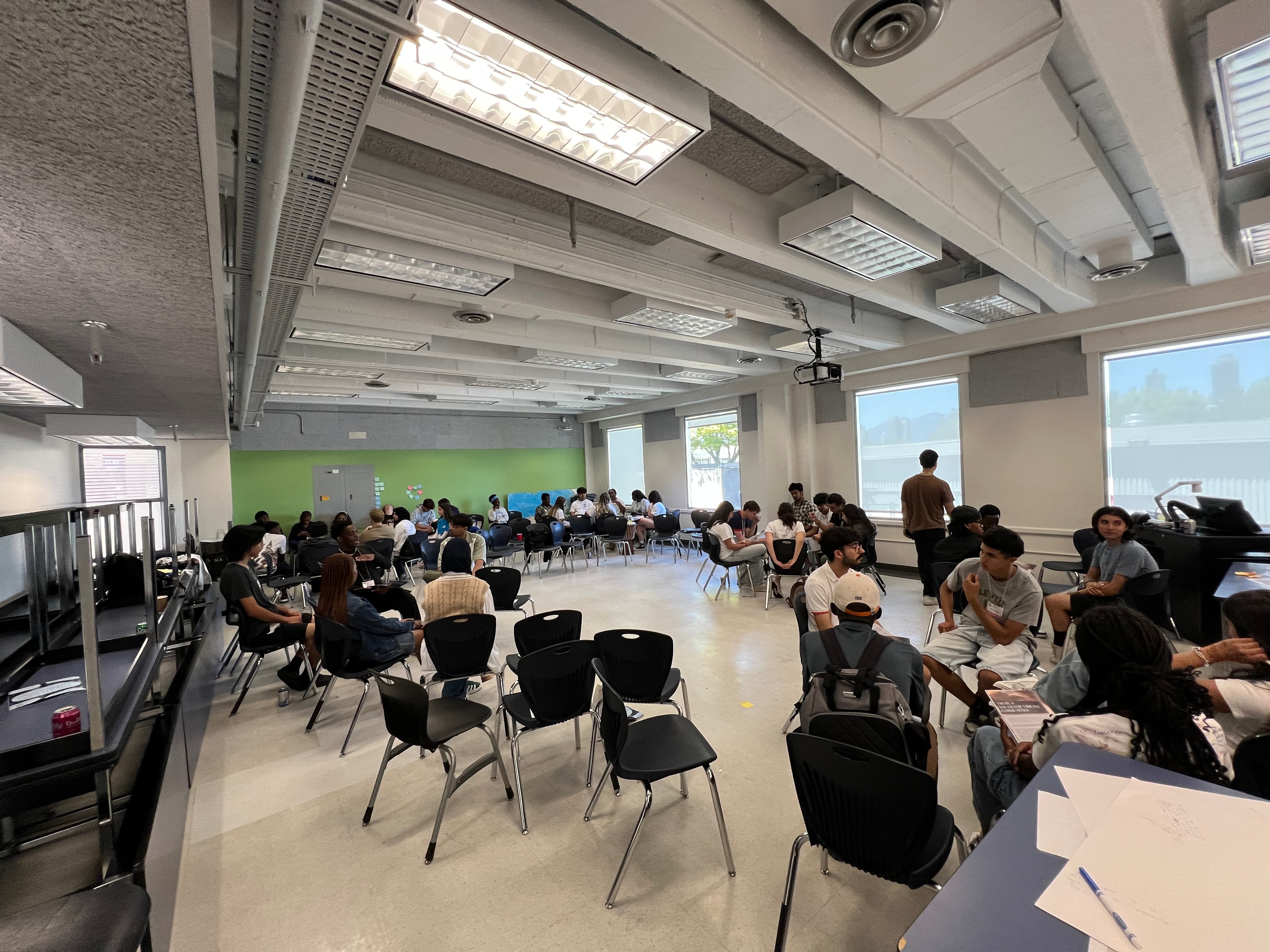
Youth Groups
Programs are maintained by young people, dedicated volunteers, who, through a process of training and accompaniment, begin to take meaningful action towards the wellbeing of their communities.
To learn more about becoming a Youth Mentor, please apply below, and we will invite you to an Information Session.
Community Building
Learn and come up with fun and new ways to help grow your community into a vibrant space, where everyone can connect and bring joy to one another.
Support Junior Youth or Children
Learn how to work with junior youth and children, help them learn how to use their abilities to contribute to the betterment of the community.
Learn New Skills
Cultivate new skills or hone skills you have. Learn different ways you can use your skills to help others around you or in your community.
Create Relationships
Form new relationships and strengthen the ones you already have. Build friendships while walking a path of service to the community alongside other youth.
Training Courses
Youth develop their capacity to contribute to their community and engage individuals in personal development through study and action.
Junior Youth Group Facilitator
Youth will be trained as junior youth group facilitators, mentoring younger peers in weekly sessions. They will work closely with other volunteers to plan for group sessions and organize seasonal day camps.
Volunteer Experience
Youth gain meaningful volunteer experience to fulfill graduation requirements and enhance post-secondary school applications.